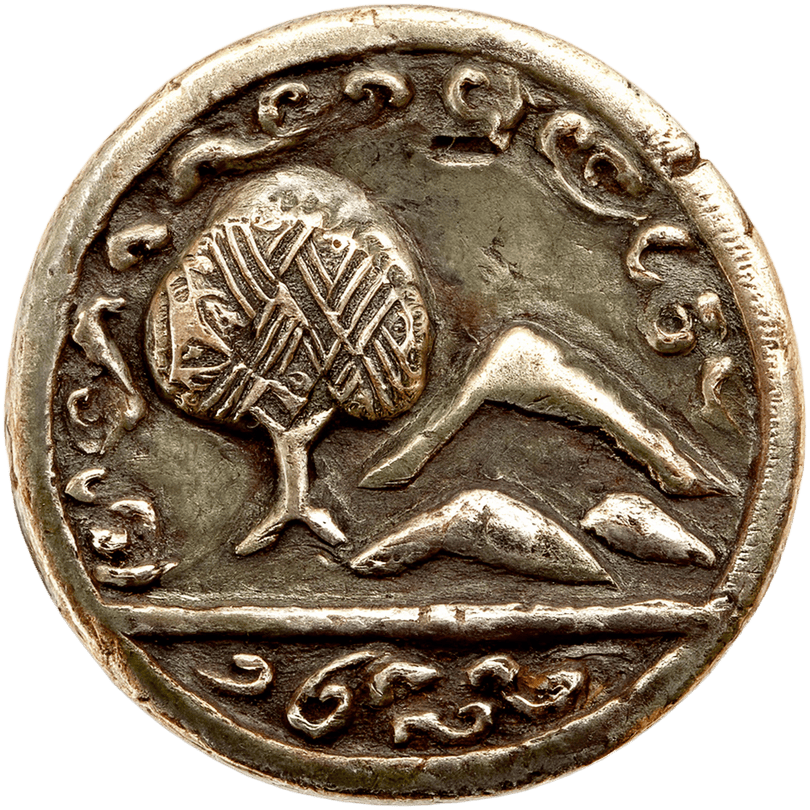
Before there was Hereford, there was Credenhill.
Pre-dating its bigger neighbour by over 1000 years, Credenhill has been the site of an ancient Iron Age hill fort since at least 390 BC. The fort is surrounded by double defensive ditches, enclosing an area of at least 26 hectares (or 36 football pitches), making it the second largest in Britain.
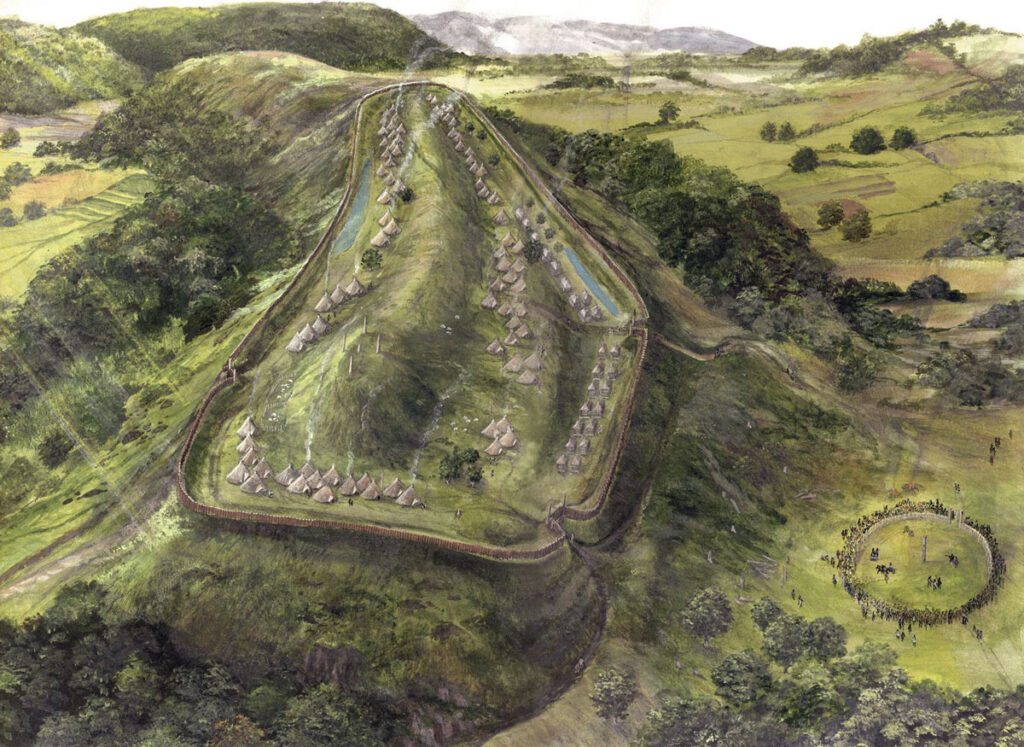
The fort’s defences still stand over 10 metres in height in places, and its commanding views of the surrounding countryside make it truly awe-inspiring, even 3000 years later. In recognition of this national significance, and to protect the area for generations to come, the hill fort was designated a Scheduled Monument in 1934.1
The fort was variously occupied by Celts and Saxons over the years, with one Saxon leader, Creoda, eventually lending Credenhill its name.
Over time, Romans settled in the area – first at Magnis (modern day Kenchester), and then in the former Iron Age hill fort at Credenhill. Various archaeological digs have uncovered Celtic, Saxon, and Roman artefacts across the area surrounding the hill fort.2
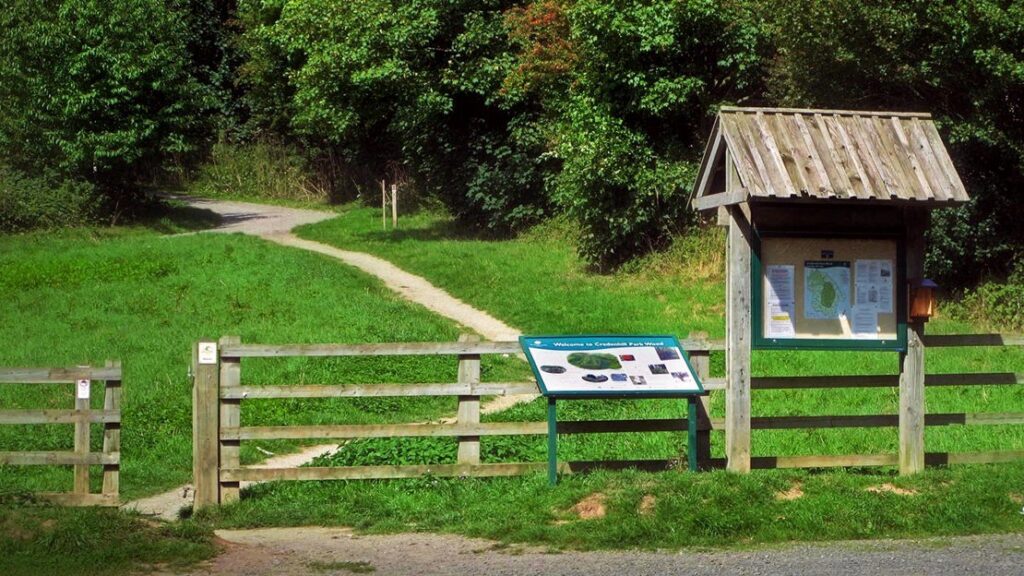
The hill fort now forms part of Credenhill Park Wood, which is maintained by The Woodland Trust. The main entrance to the Park Wood is on the Credenhill/Tillington road, a short walk from the proposed development.
Further resources
The Roman Credenhill website features a neat guide to local historical walking routes (PDF) and a fascinating booklet about the history of the area (PDF).